A federal conviction handed down in New York has drawn renewed attention to a lesser-known but deeply consequential risk facing the United States: the systematic trafficking of protected wildlife tied to overseas demand networks. The case involves a Chinese national living in Brooklyn who was sentenced to prison after authorities uncovered an extensive operation smuggling protected reptiles from the United States into the international black market. While the facts of the case are stark on their own, the broader implications reach far beyond a single defendant, raising questions about environmental security, biosecurity risks, and how transnational criminal demand can quietly undermine American law and conservation efforts.
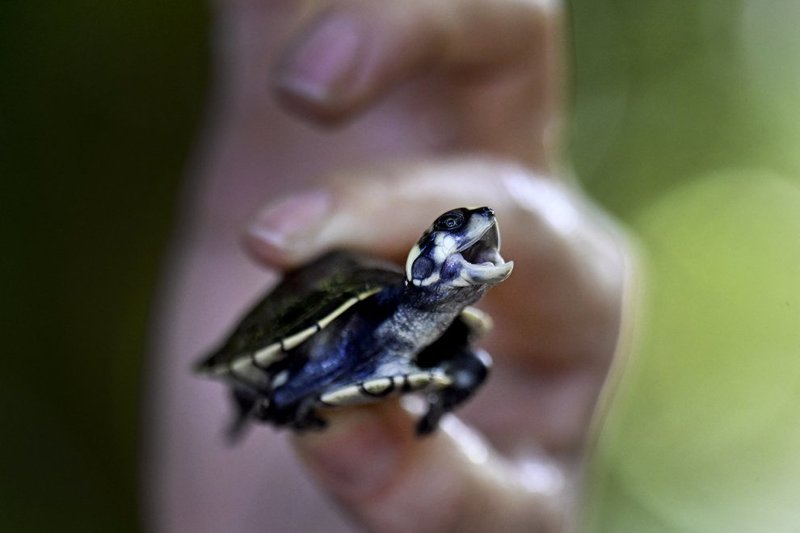
According to federal prosecutors, Wei Qiang Lin was convicted in Buffalo, New York, for violating U.S. wildlife protection laws after an investigation revealed roughly 222 illegal shipments to Hong Kong between August 2023 and November 2024. In those shipments, authorities say, he trafficked approximately 850 live turtles, most of them eastern box turtles and three-toed box turtles. These species are protected under U.S. law and under the international Convention on International Trade in Endangered Species of Wild Fauna and Flora, known globally as CITES. The court also ordered the forfeiture of cash seized at the time of arrest, and the defendant received a two-year federal prison sentence.
At first glance, this may appear to be a niche environmental crime. In reality, the case illustrates how illicit demand abroad, particularly in parts of Asia, can incentivize organized trafficking that erodes U.S. conservation rules and introduces risks to public health and ecosystems. Prosecutors estimated that the trafficked turtles alone were worth more than $1.4 million on the illegal market. That valuation underscores why such crimes persist: wildlife trafficking is a lucrative business that exploits regulatory gaps, global shipping systems, and the anonymity of e-commerce logistics.
Investigators detailed how the defendant allegedly concealed live animals in socks and falsely declared packages as “plastic animal toys” to evade customs controls. Such methods are not unique. Wildlife enforcement officials have long warned that traffickers adapt quickly, using mislabeling, fragmentation of shipments, and postal services to reduce detection. In this case, numerous packages were intercepted before leaving the country, thanks to coordinated enforcement by the U.S. Fish and Wildlife Service, Customs and Border Protection, the Postal Inspection Service, and Homeland Security Investigations. Seized turtles were transferred to the Buffalo Zoo, where conservation programs were established to protect animals harmed by illegal trade.
What makes this case particularly significant is not merely the scale, but the destination and demand chain. Authorities say the shipments were bound for Hong Kong, a known hub in the global wildlife trade. From there, animals often enter broader markets across East Asia. While not every buyer or intermediary is state-linked, the sheer size of the demand creates incentives that pull protected species out of U.S. ecosystems and into illegal channels. This dynamic represents a real cost to American biodiversity and to the agencies tasked with protecting it.
Beyond conservation, wildlife trafficking carries biosecurity implications that Americans should not overlook. Transporting live animals across borders without inspection increases the risk of spreading pathogens, parasites, and invasive species. Turtles and reptiles can carry bacteria such as salmonella and other zoonotic diseases. When traffickers bypass health controls, they also bypass safeguards designed to protect agriculture, native wildlife, and public health. In an era when biosecurity has become a national concern, illicit animal shipments pose risks that extend far beyond the animals themselves.
The Department of Justice emphasized that the case was part of Operation Terrapene, a multi-agency effort to combat the illegal trade in turtles and other reptiles. The operation reflects a growing recognition within U.S. law enforcement that wildlife crimes are not victimless. They undermine conservation investments, fuel organized crime, and can intersect with other illicit activities, including money laundering and fraud. The indictment was coordinated by prosecutors from the U.S. Department of Justice and the U.S. Attorney’s Office for the Western District of New York, illustrating how seriously federal authorities now treat these offenses.
It is important to be clear about what this case does and does not represent. It is not an indictment of immigrants, nor of lawful trade or cultural exchange. The overwhelming majority of Chinese nationals in the United States live law-abiding lives and contribute positively to American society. However, the case does highlight how demand patterns tied to overseas markets, including parts of China, can incentivize criminal behavior within U.S. borders. When that demand is persistent and profitable, it creates pressure on American systems that were not designed to police every parcel or shipment.
From a policy perspective, the lesson is not to retreat from openness, but to strengthen enforcement, transparency, and international cooperation. Wildlife trafficking thrives in the shadows between jurisdictions. It exploits differences in legal standards, enforcement capacity, and penalties. While U.S. agencies have demonstrated effectiveness in intercepting shipments, sustained deterrence requires reducing demand abroad and holding traffickers accountable across borders. That is a challenge when destination markets operate under different regulatory and enforcement regimes.
The economic dimension also matters. The estimated $1.4 million value of trafficked turtles represents not just illegal profit, but a distortion of legitimate markets. Conservation programs, zoos, and licensed breeders operate under strict rules that increase costs but protect species. Illegal trafficking undercuts those efforts and shifts economic incentives away from sustainability. Over time, this can weaken conservation funding and erode public trust in wildlife protection frameworks.
For American readers, the broader takeaway is vigilance. Cases like this remind us that global illicit networks can reach into local communities, using everyday infrastructure such as postal services and online platforms. They also show that environmental crimes are linked to national interests, from biosecurity to rule of law. The United States invests heavily in protecting endangered species, not only for ethical reasons but because healthy ecosystems support agriculture, tourism, and public health.
The conviction of Wei Qiang Lin sends a clear message that the United States will enforce its wildlife laws and protect its natural heritage. Yet it should also prompt a wider conversation about how international demand, particularly from markets with a history of wildlife consumption and trade, can create ongoing pressure on U.S. resources. Addressing that challenge requires more than arrests. It requires sustained international engagement, public awareness, and a recognition that environmental security is inseparable from national security.
In the end, this case is a warning sign rather than an isolated anomaly. Wildlife trafficking may not dominate headlines like cyber espionage or trade disputes, but its impacts are real and lasting. By understanding the forces that drive it and supporting robust enforcement, Americans can help ensure that protected species remain part of the nation’s natural legacy rather than commodities in an illegal global trade.
